
Graz: Circular Economy Summit at the Styrian Chamber of Commerce - Austrian space doctor and ESA astronaut Carmen Possnig: Circular economy is the future
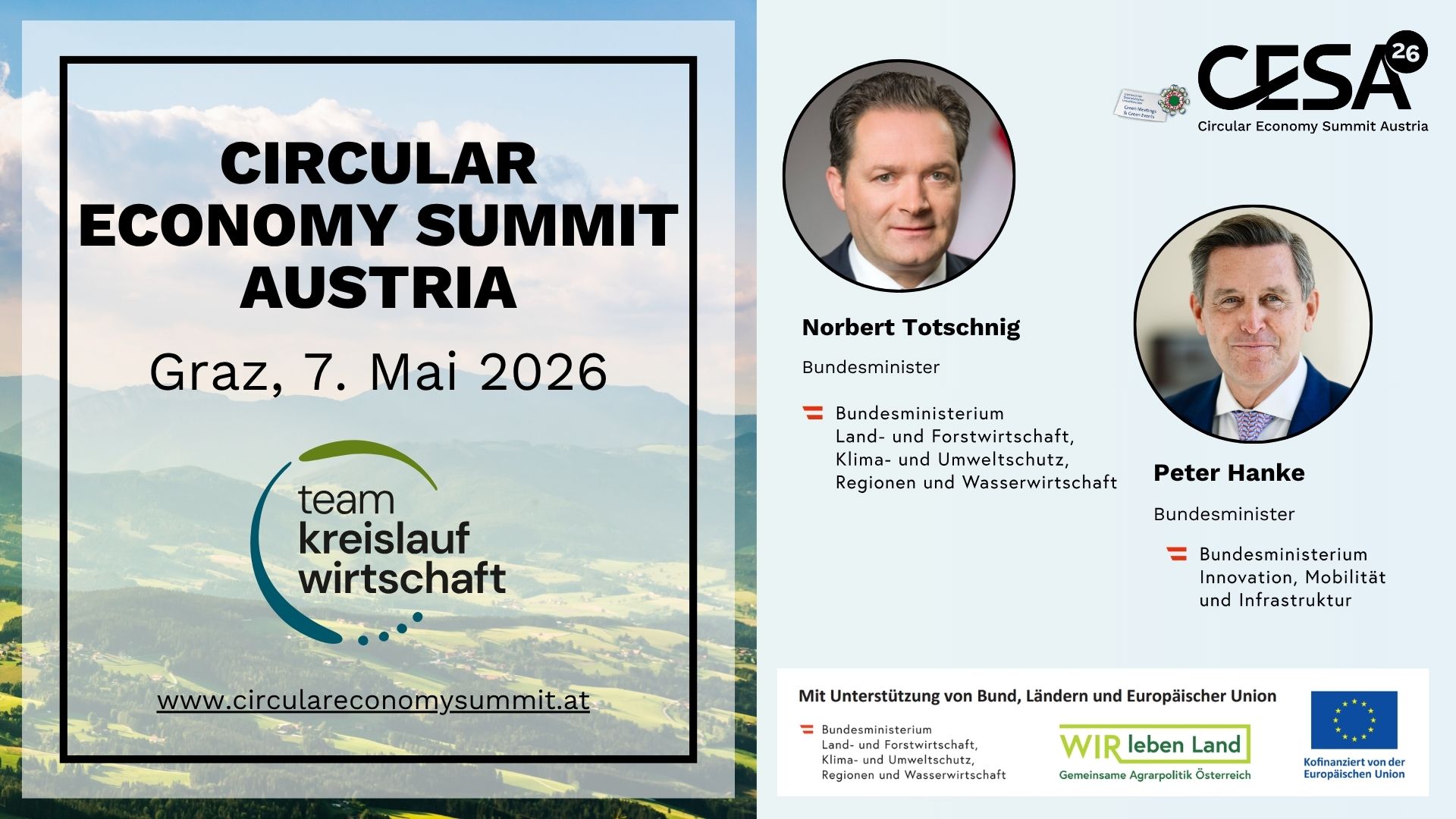
„The circular economy - i.e. recycling resources instead of producing, using and throwing them away - strengthens Austria's environment, economy and resource independence. It is therefore all the more important that we expand Austria's innovative strength and pioneering position in this area. With the ‚Circular Economy Team‘, we are igniting the turbo to realise numerous projects in the regions,“ emphasised Federal Minister Peter Hanke and Federal Minister Norbert Totschnig on the occasion of the Circular Economy Summit Austria 2026 (CESA26) in Graz.
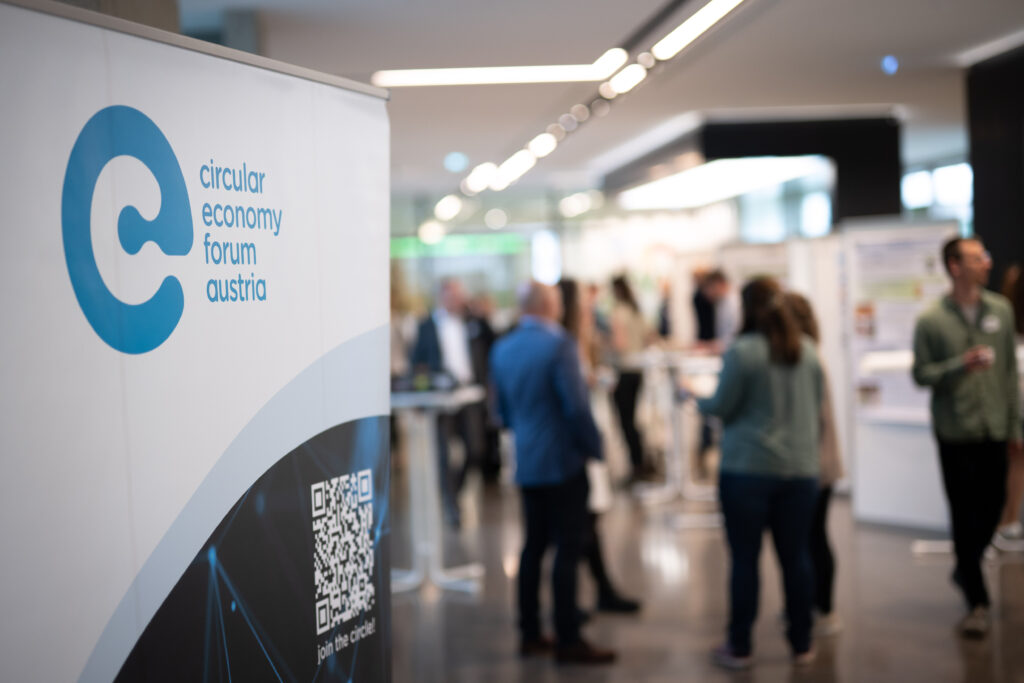
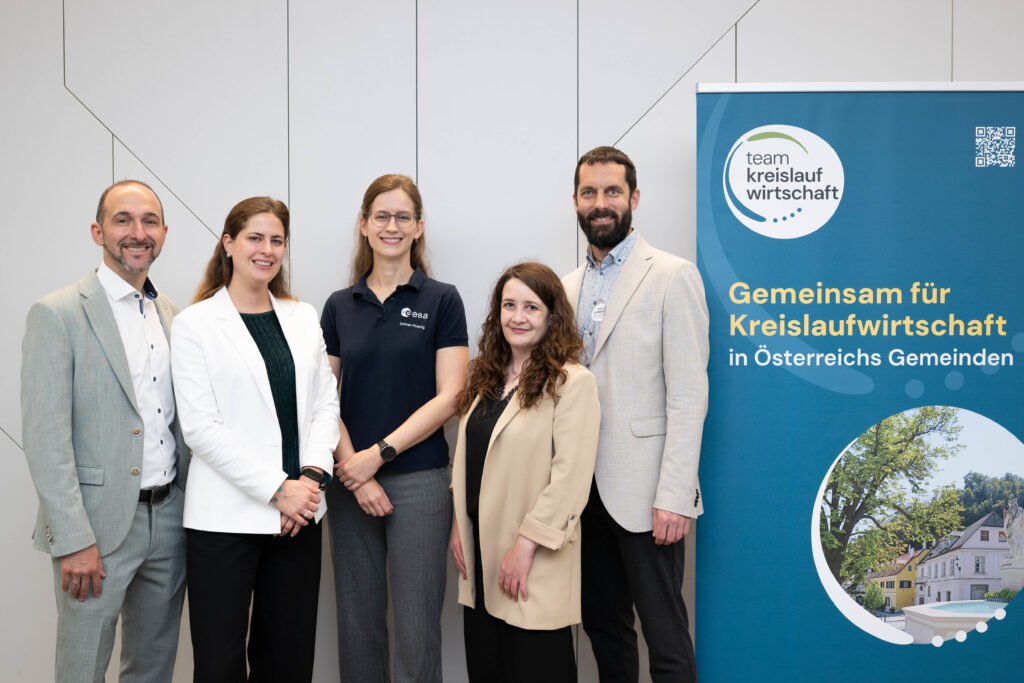
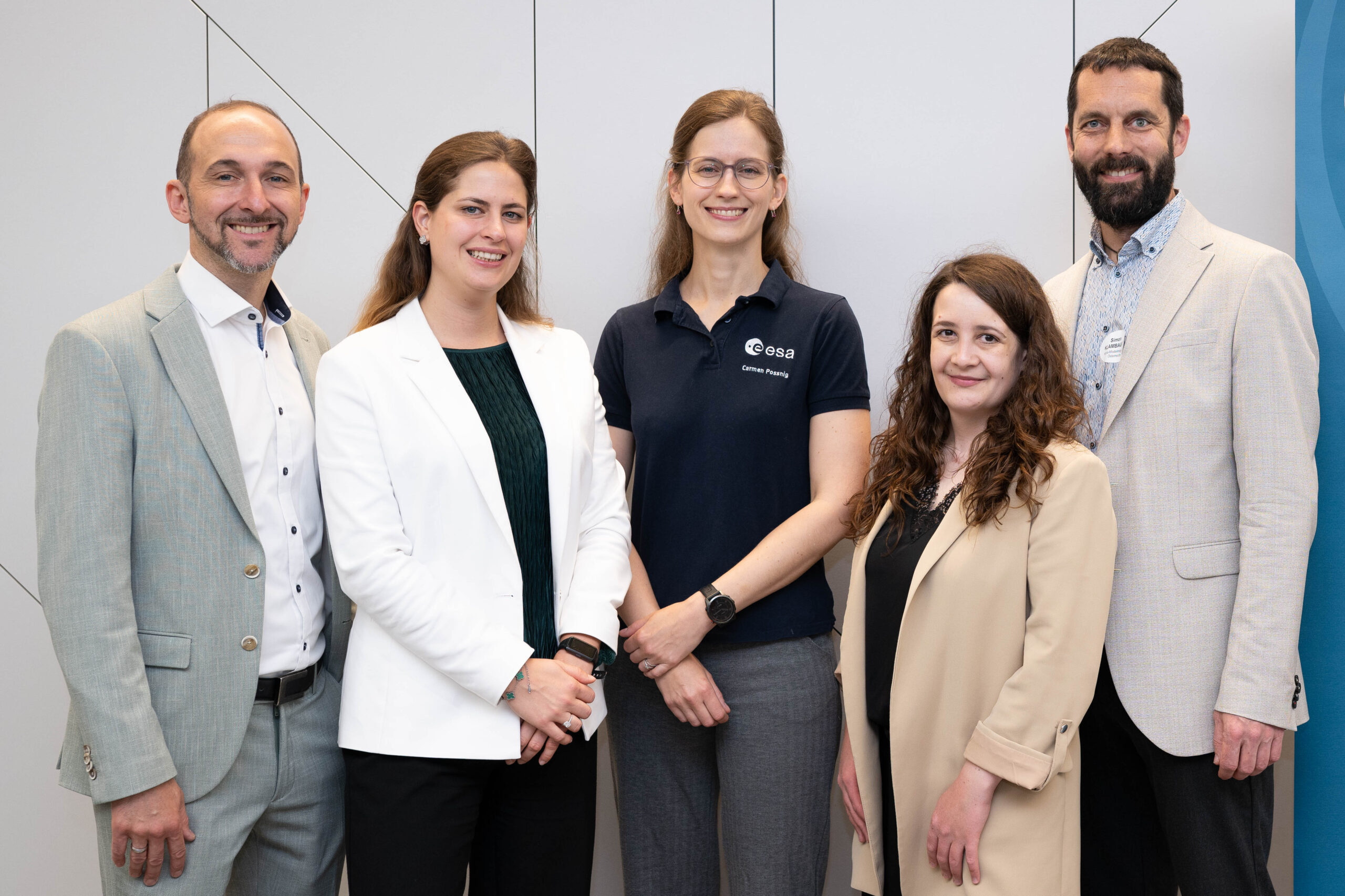
Decision-makers from politics, business, research and civil society use the summit to network, exchange ideas and optimise economic cycles. These include ESA astronaut Carmen Possnig, Styrian Chamber of Commerce Vice President Gabriele Lechner and Federal Minister Norbert Totschnig. A „Walk of Opportunities“ offers guests a curated exchange area for the implementation of innovative research and the scaling of pilot projects. Participants also have the opportunity to exchange ideas directly with representatives of various organisations, initiate new collaborations and learn more about current activities or funding opportunities in the circular economy.
„The targeted reuse of materials lowers costs and reduces dependence on suppliers. At the same time, it promotes innovation and creates sustainable jobs. The resource turnaround is therefore not an option, but a necessity for our economic and ecological resilience and for securing our business location. Austria's municipalities are very innovative and there are already numerous examples of best practice. The aim of ‚Team Kreislaufwirtschaft‘ is to realise further ideas, make tried-and-tested solutions usable across the board and facilitate an exchange of knowledge between municipalities,“ emphasises Federal Minister Peter Hanke.
„We are supporting the ‚Circular Economy Team‘ with €2.3 million in funding from the Common Agricultural Policy until 2029, giving municipalities access to advice and support in the implementation of municipal circular economy projects. In this way, we are making a significant contribution to the implementation of the Austrian circular economy strategy and strengthening municipalities as key players in resource conservation, regional resilience and local value creation. Those who use resources sparingly are acting responsibly for future generations. The circular economy is active environmental protection,“ says Federal Minister Norbert Totschnig, thanking the cooperation partners Resource Forum Austria, Circular Economy Forum Austria, Climate Alliance Austria and the Austrian Climate Model Regions Association.
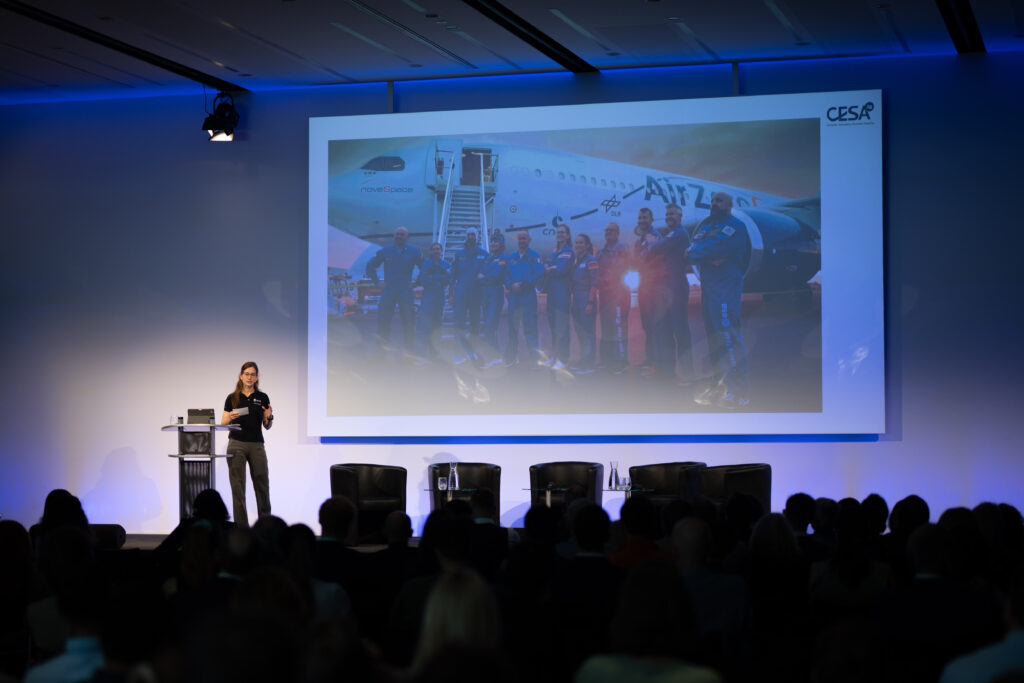
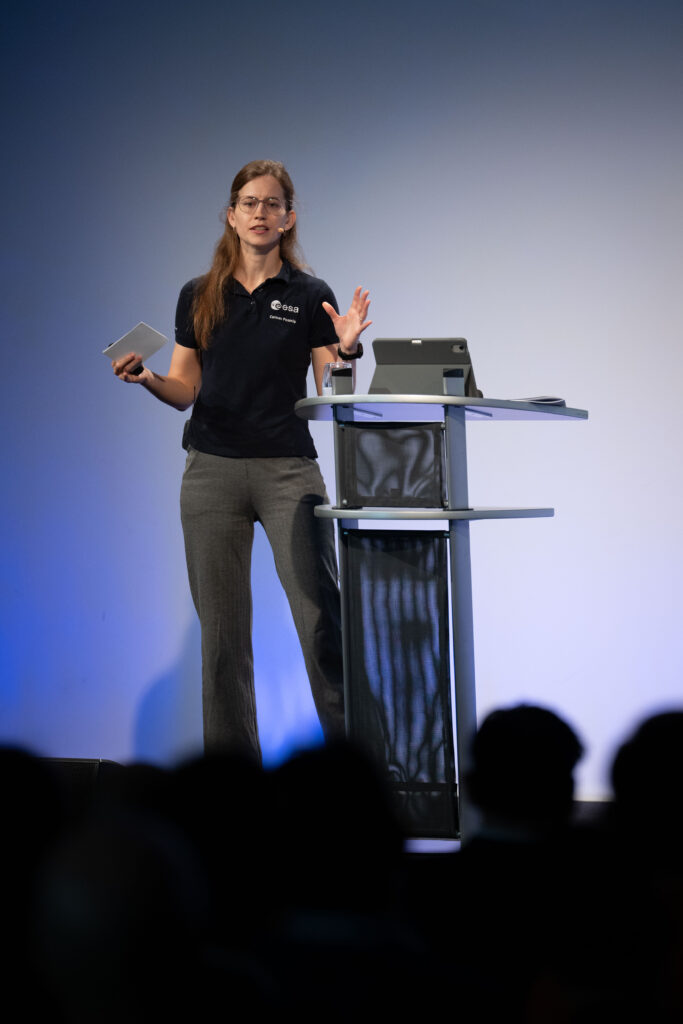
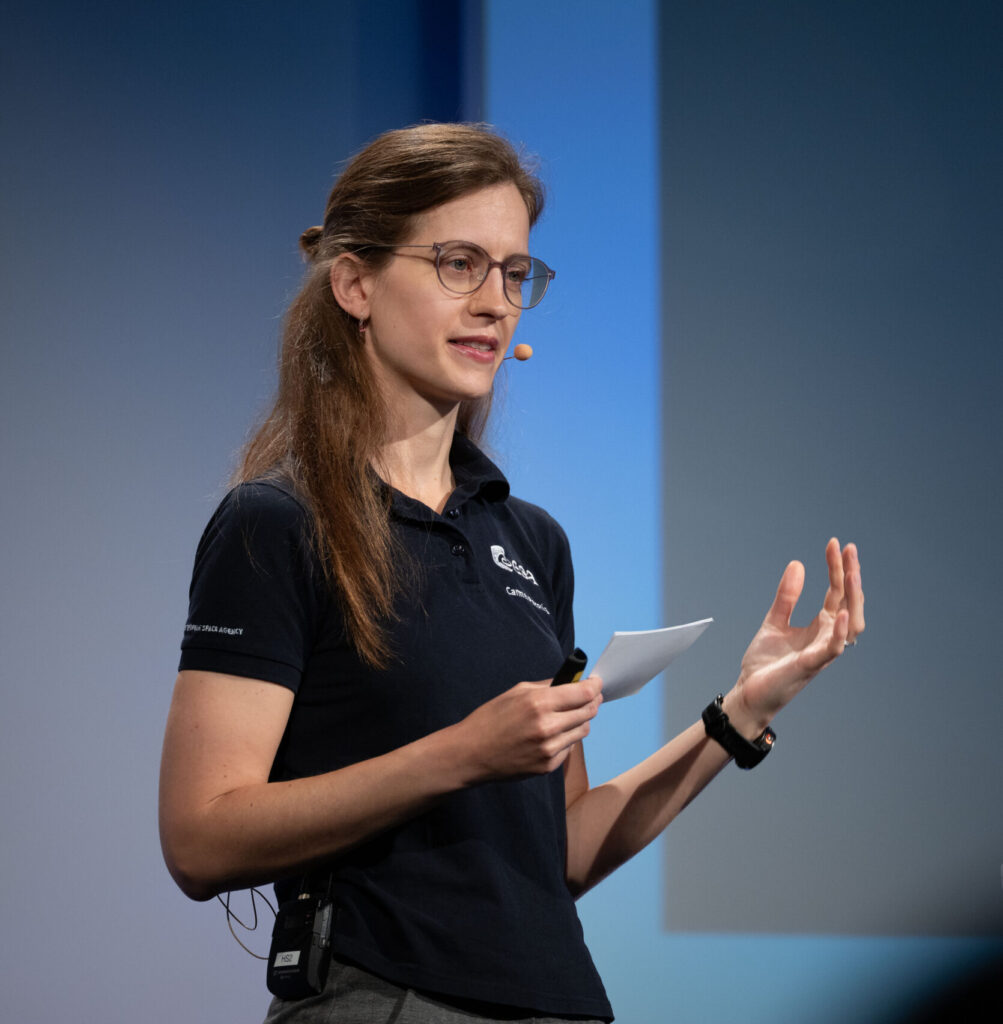
Tyrolean doctor and trained astronaut Carmen Possnig will open the Circular Economy Summit Austria 2026 with a keynote speech that takes a broader view: on the responsible use of limited resources and what really constitutes resilient systems. As a doctor, space researcher, participant in research missions in Antarctica and in preparation for future space missions, she brings experience from living and working environments in which uncertainty, confinement and interdependence are part of everyday life. For regions in particular, this poses a key question for the future: how can they remain resilient and liveable with limited resources and growing pressure to change?
„This is particularly successful when we think systemically, act responsibly and reorganise cooperation,“ says Possnig, emphasising that the circular economy has long been a matter of course in space travel and medicine: „It's about using resources wisely and designing systems in such a way that they remain sustainable even under pressure. A Mars mission would take three years. Water, oxygen, medicine and food would have to last that long. So the aim is to use water efficiently, among other things. The system running on the International Space Station (ISS) already recycles 90 per cent of the water. This is now being used in small oasis towns in Morocco and Algeria. A colleague is trying to use algae and bacteria to produce food and oxygen. These are all techniques that can also be used on Earth.“
„Sustainable business models are essential for long-term economic strength and prosperity in Austria. The circular economy is a key instrument for a good future worth living,“ emphasises Gabriele Lechner, Vice President of the Styrian Chamber of Commerce. It is crucial to demonstrate the advantages of economic cycles: „Lower costs, greater resilience and competitiveness, new business opportunities, job creation - the potential is huge. But we have to realise it,“ says Lechner, referring to a position paper from the Styrian Chamber of Commerce, in which the promotion of the circular economy for regional businesses is a central point.
„Austrian companies are already demonstrating how innovatively the circular economy can be implemented. Examples such as ANDRITZ, Infineon and voestalpine show how much expertise and implementation power is available. Now we need to turn this into breadth, impact and locational strength,“ says Karin Huber-Heim, President of the Circular Economy Forum Austria, referring to practical examples that are also represented at the summit. These approaches become regionally effective where existing systems are reorganised:
Such examples show how the circular economy contributes to the sustainability of regions with smart infrastructures, more efficient utilisation and new regional value creation.
The Circular Economy Summit Austria is part of the Circular Economy Team and is funded by the Common Agricultural Policy of the federal government, the federal states and the European Union.
Further information under: https://circulareconomysummit.at
CESA26
Valerie-Sophie Schönberg
valerie-sophie.schoenberg@circulareconomyforum.at
BMIMI
Press spokeswoman Kleo Kraft
kleo.kraft@bmimi.gv.at
BMLUK
Press spokeswoman Katrin Angerer
Katrin.angerer@bmluk.gv.at
© CESA/Paul Gruber

Site by Mad Nice Group GmbH
 German German
  English